Victimless Crime Fiction

“This is the water, and this is the well. Drink full, and descend. The horse is the white of the eyes, and dark within.”
—Woodsman, Twin Peaks: The Return
Because of fan theories about Twin Peaks: Fire Walk With Me being in part a critique of Silence of the Lambs (and psychological thriller films, of which Silence is an exemplar), I sat down and watched Silence of the Lambs for the first time. I now understand why it’s a classic that won several Oscars, but I also understand why Lynch would’ve felt the need to critique it. One of the core themes of Twin Peaks is that the victims matter, that they shouldn’t be forgotten by next week’s episode like in police procedurals. In Silence of the Lambs the serial killer has murdered five women and will soon kill his sixth, but only the most recent abductee has any screen time as a living person. While rescuing Catherine is ostensibly the protagonist’s main goal, the victim’s role on-screen is essentially as a prop that won’t stop screaming. The autopsy of Buffalo Bill’s previous victim is clinical, by people who find her corpse disgusting, whereas the autopsy of Teresa Banks in Fire Walk With Me is much more human. The FBI agents take her seriously, and their conversation is much more about Teresa and her life. We don’t dwell as much on Teresa, but much of the series are about Laura Palmer and the people whose lives she touched.
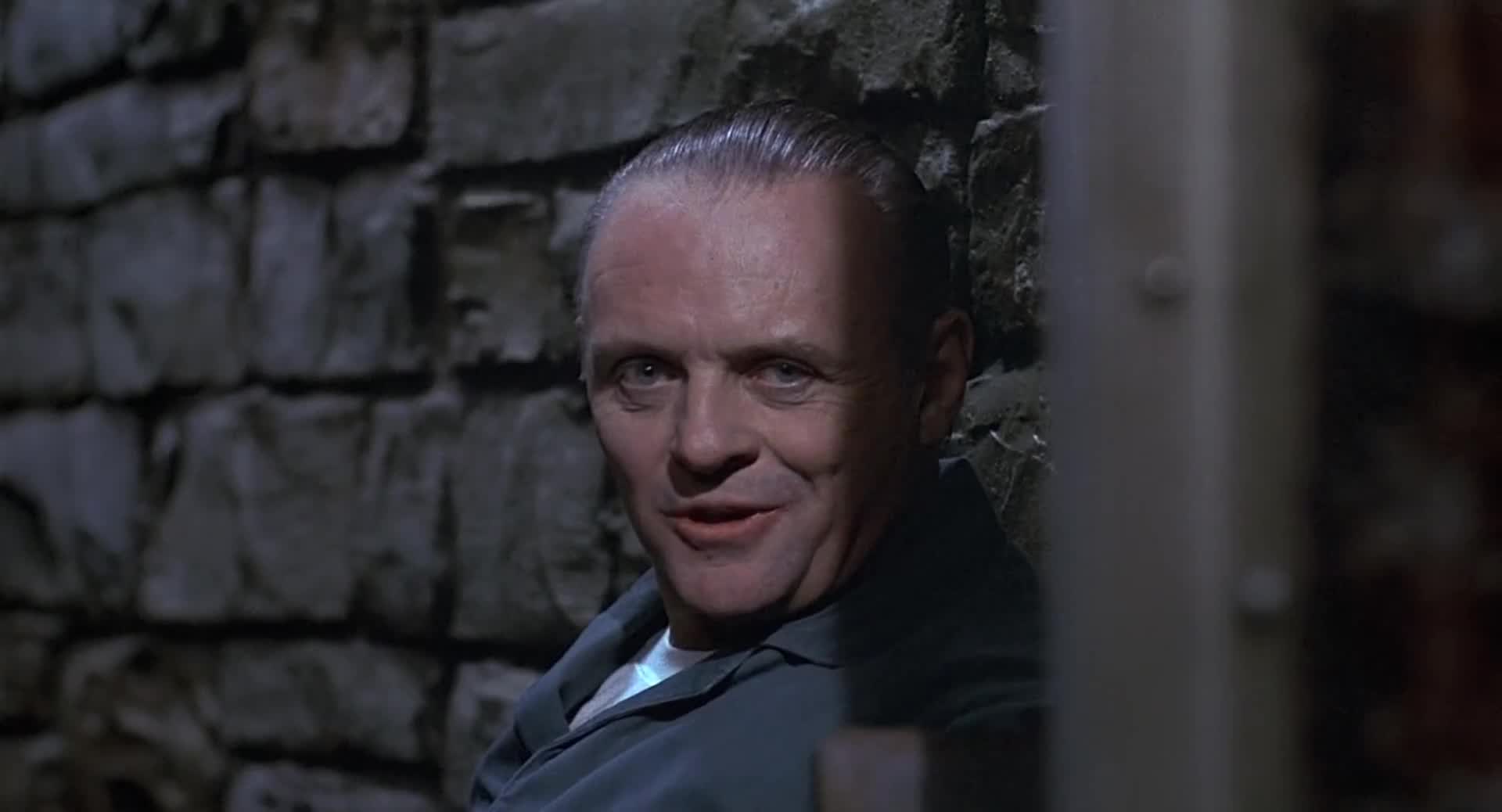
Silence of the Lambs also presents exceptional competence on the part of both Hannibal Lecter and to a lesser extent the authorities. For me, the likes of Elon Musk have made overwhelming intelligence like Hannibal Lecter’s feel contrived. While Anthony Hopkins gives a great performance, his character’s twisted genius feels out of place in what is otherwise a pretty realistic movie. I’ll let people who are more informed on the subject delve into its treatment of mental illness, but I suspect they aren’t thrilled.
There are very intelligent people in the world, but no amount of intelligence can automatically overcome ignorance, especially if it comes with the arrogance to assume you already know everything. Neither serial killers nor cops are as smart as writers would like to believe. Part of why it took so long to decipher the Zodiac Killer’s coded messages was simply that he’d made several spelling errors. In murder as elsewhere, a person can be brilliant at some things and shockingly dumb at others. There’s also the issue that however much people might argue whether All Cops really Are Bastards, some are unequivocally villains. The Golden State Killer turned out to have committed his murders (among many other vile crimes) both before and after retiring from the Exeter Police Department. He wasn’t a calculating mastermind though, just a monster who’d been lucky that it took time for the science of DNA testing to advance enough to incriminate him.
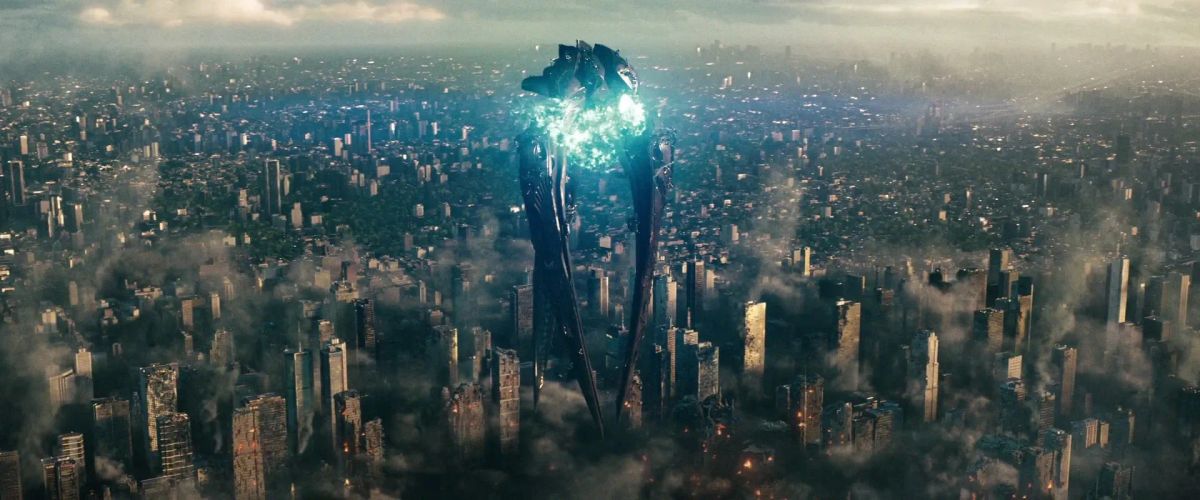
Protecting people is the ostensible point of superheroes. When the Christopher Reeve version of Superman didn’t have any metahuman foes to deal with, saving people was the main thing he did, along with being charmingly dorky with Lois Lane. Later superhero films were more often about clashes between superpowered heroes and villains. A good villain can really make a story, but they also naturally pull some focus, which can contribute to the deemphasis of victims. The movies sometimes make a big deal out of the heroes’ failures to protect people, but they never show a Lynchian level of concern for the supervillains’ victims and their loved ones. For an extreme example, take Man of Steel, in which Superman has a massively destructive battle against General Zod across Metropolis. Watson Technical Consulting did an estimate of what the actual damages would be:
WTC estimates that, in the days after the attack, the known damage would already be stunning: 129,000 known killed, over 250,000 missing (most of whom would have also died), and nearly a million injured.
They go on to say that the total damages would have been about $2 trillion. That battle was an order of magnitude worse than 9/11, and 9/11 broke something in the American psyche and sparked multiple wars. It’s not until Batman v. Superman that we learn it’s really affected any characters of significance, at which point it felt like Zack Snyder belatedly realized the implications of Man of Steel. Bruce Wayne and Lex Luthor both form grudges against Superman, and a man named Wallace Keefe, who was crippled in the carnage, also wants revenge. Victims’ stories only really matter insofar as they motivate or serve as origin stories for heroes or villains. The battle in Metropolis took hundreds of thousands of lives and immiserated many more, but as far as the script is concerned, that only matters for how it lets Lex Luthor pit Batman against Superman.
While the Avengers’ battles have had their share of collateral damage, it hasn’t been at anywhere near that scale. One area where the MCU started strong and fell off was in how it used to show us the perspectives of ordinary people. Characters like Jane Foster, Pepper Potts, and Peggy Carter helped ground the heroes, and Joss Whedon’s Avengers films made a point of showing the heroes protecting regular people rather than just fighting other superhumans. Infinity War involves a massive alien invasion, but civilians are little more than background extras, and in some scenes the movie doesn’t even have that.
The state of movie supervillains is weird. Most die by the end of the first movie they appear in, and some have legitimate grievances that they inevitably, sometimes implausibly, find terrible ways to act on. Killmonger wants Wakanda to use its power to help fix the world’s problems rather than staying hidden, but he’s also a stone-cold killer ready to destroy the Heart-Shaped Herb and its connection to Wakanda’s heritage. Thanos ultimately wants to create a better universe, but he’s taken on the delusion that killing half the population at random is the only way to achieve it. While most people would agree that it was right to reverse Thanos’ unimaginably pervasive murder, subsequent installments have glossed over the fact that overpopulation is a real problem in some places. T’Challa realized that Killmonger had a point buried under all the intrigue and murder, but the extent of his on-screen action on that front was establishing one community center in Oakland.
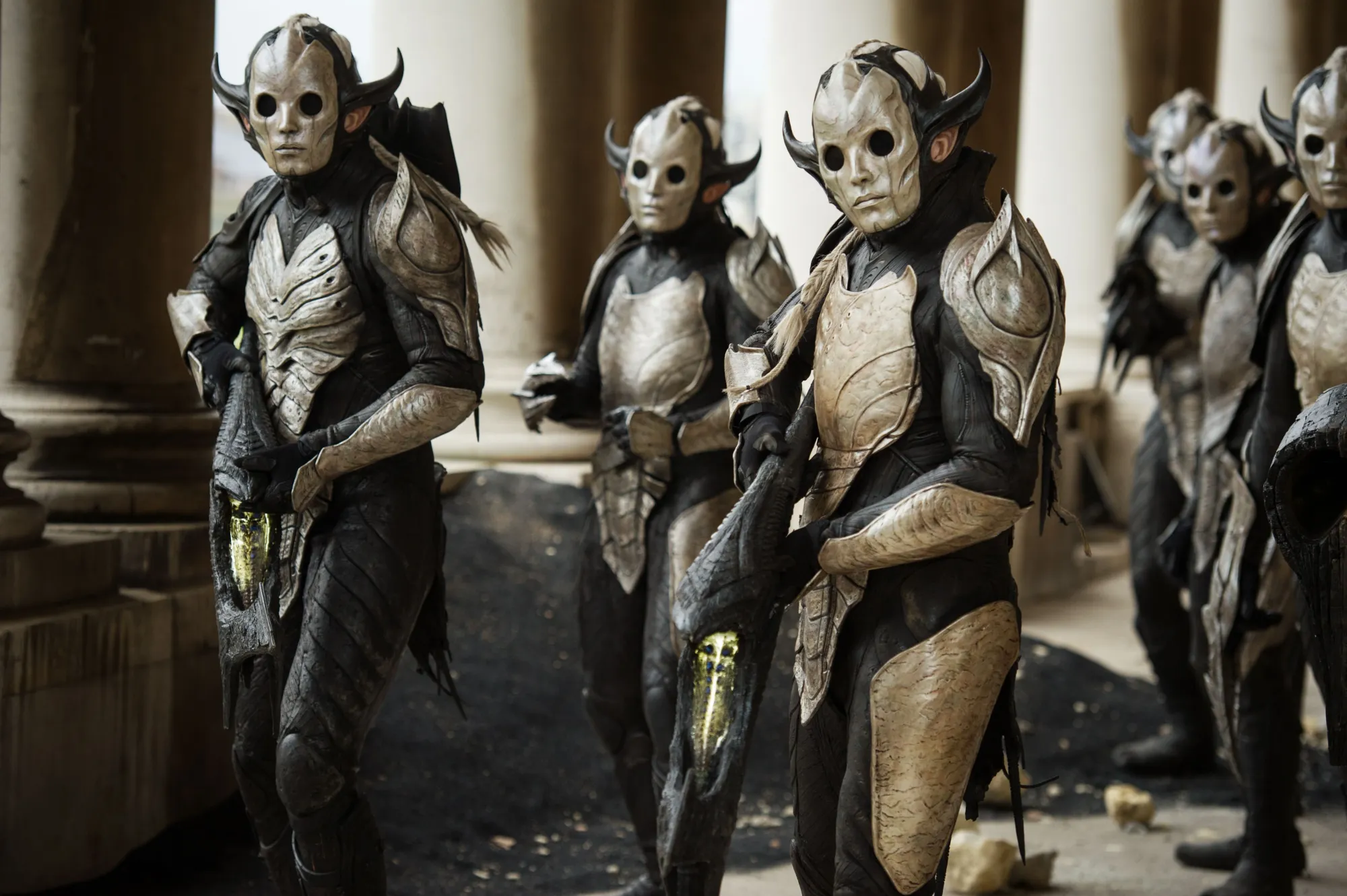
The villains’ minions get even less consideration. Faceless CGI hordes have become one of the major cliches of the genre along with sky beams. Hydra soldiers, dark elves, the Chitauri, Ultron’s robots, Hela’s undead armies, Darkseid’s Parademons, and the Enchantress’ weird putty patroller things all amount to mindless video game enemies rather than characters per se. I’ve undoubtedly missed a few faceless CGI hordes from superhero movies, but there are a lot. Some are explicitly mindless automatons, but a few are implied to be people with hopes and dreams that never matter on screen. Dark elves are theoretically a people, but from the way Thor: The Dark World handles them I wouldn’t blame anyone who assumes Malekith’s troops are a bunch of robots with spooky masks.
Only a handful of villains even last long enough to feature in multiple films. Thanos made it to the end of the MCU’s Phase Three before dying (and then came back due to time travel stuff before dying a second time), while Loki kept coming back and got a redemption arc (and then died and came back due to time travel stuff before having a second, much faster redemption arc). Like the bystanders, as far as the story is concerned no one mourns for the dead villains, unless it’s a setup for someone to become a villain themselves (or more rarely, a hero).
Twin Peaks does feature a few utterly malevolent entities, but most of the malefactors in the show are ultimately people. Jacques Renault is a cruel man and a criminal, but when he dies, it affects his brother Jean, something notably absent with the deaths of e.g. Killmonger (Black Panther), Malekith (Thor: The Dark World), or Ivan Vanko (Iron Man 2). The biggest mustache-twirling villain of Twin Peaks was Cooper’s nemesis Windom Earle, but he was one of the mediocre elements that crept into the series while David Lynch was away working on Wild at Heart.
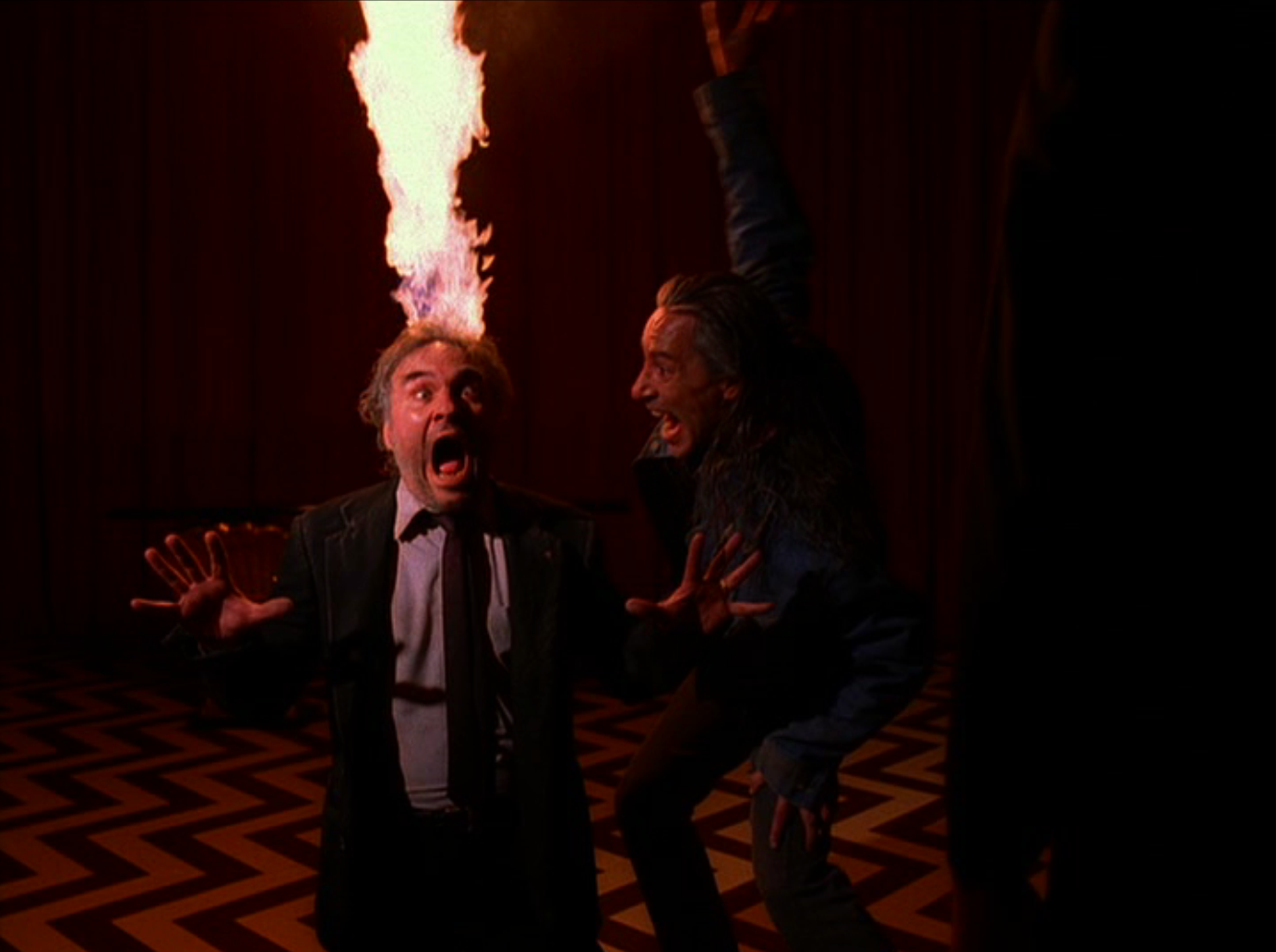
One thing that really struck me about Twin Peaks: The Return was the unusual warmth and realism that pervades the series. It comes through even when it’s darkly surreal, uncomfortably violent, or downright absurd. In one scene, a boy dies in a traffic accident, right in front of his mother. It does serve the plot, but it’s also a very realistic tragedy. Having set himself the task of portraying something so horrible, Lynch approached filming it with the utmost kindness and honesty. He wanted to unflinchingly portray a kind of tragedy that happens in real life, but he cared deeply that it didn’t emotionally scar the actors. He was able to film the mother’s reaction in a single heart-wrenching take, and the result is horrific, yet it shows a concern and kindness that’s all too lacking in American entertainment media in general.
Stanley Kubrick’s obsessive quest for perfection led him to terrorize some of the actors in his films, while Joss Whedon’s work on Justice League didn’t even have even a good movie to show for it. Marvel productions on the other hand can be impersonal. Anthony Mackie said that he didn’t find out that his character Falcon had become an official Avenger until he himself was in the theater watching Avengers: Age of Ultron. It was a pleasant surprise to him because Marvel often doesn’t give actors the full script of a movie. Movies are always artifice to some extent, but MCU film productions happen in a particularly disconnected bubble, so that a lot of the people working on these projects are blind men describing an elephant.