A Clockwork Avocado

“This isn't even a reluctant superhero story. I'm just getting screwed over. Is this what you guys want?”
—She-Hulk, She-Hulk: Attorney at Law
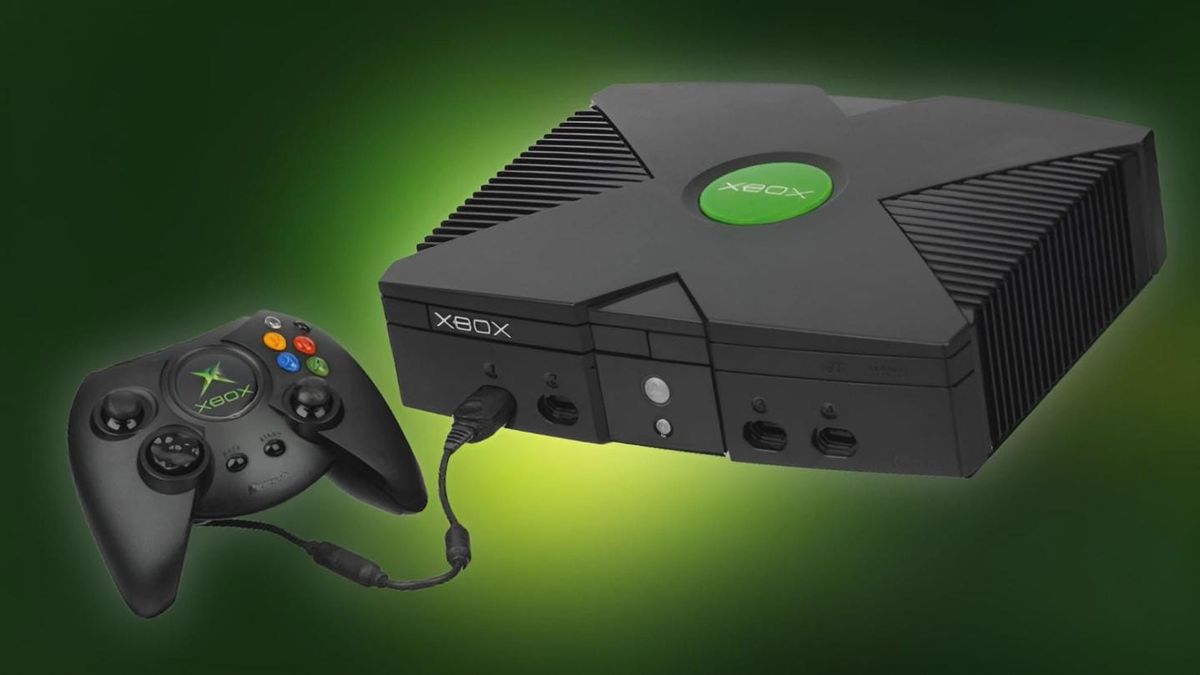
Social media has gotten weird, and not the good kind of weird. There are a lot of reasons for this, and one big factor is the way it reflects our desires back at us. Humans have instincts and impulses that are ill-suited to rationally approaching life in a postindustrial society, and a lot of our ills have to do with those misplaced instincts firing off at inopportune times. In times of scarcity, it makes sense to pursue calorie-dense foods, but our cravings for sweets easily outpace what is healthy. Algorithmic timelines give you what the developers think will keep you on the app, but what holds your attention is often puerile or infuriating. Wider feedback loops made YouTube content become bizarre, full of influencers who are seemingly famous for being famous, pimple popping videos, and more recently AI slop made from reconstituted bits of the internet. The “Clockwork Avocado” is what I call the idiot-god of social media and its ilk. The name alludes to both A Clockwork Orange and the way avocados—as delicious as I find them personally—can become an insipid consumer product. The Clockwork Avocado can’t create anything per se, but it can direct our alleged desires back at us.
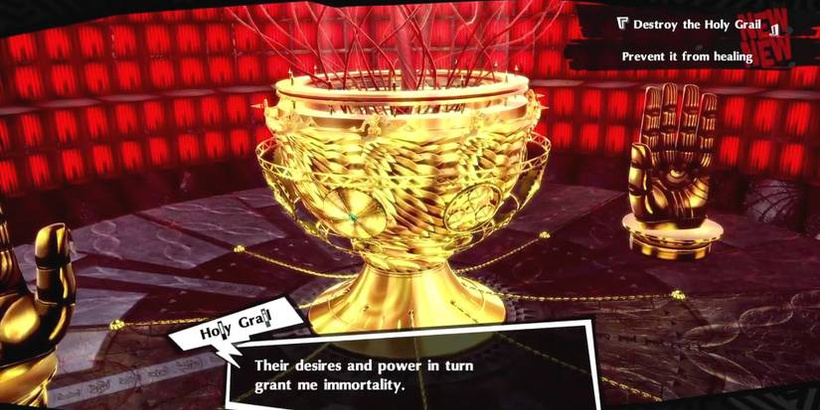
When Microsoft moved into game consoles, they started with intensive focus groups, seeking to find out what hardcore gamers want from a console. While a lot of failed game consoles clearly had no clue what gamers want, asking directly isn’t always the best way either. The original Xbox had some genuinely useful innovations like longer controller cords with break-away connectors. That let people play from further away and ensured that accidentally tugging on a controller wouldn’t bring the whole console crashing to the floor. However, its overall style leaned a bit too hard into an early 2000s gamer aesthetic, and most people found the original controller too large. The Xbox 360 improved over its predecessor in part by shedding some of the more over the top gamer chic elements, creating a slimmer console that felt more like it was for everyone regardless of how much Mountain Dew Code Red they’d been drinking.
I won’t say focus groups serve no purpose, but overuse of them leads to giving people what they think they want. You need to meet the audience’s expectations to some extent, but people also want to be surprised. As flawed as Steve Jobs was (check out the episodes of Behind the Bastards about him), he was a genius when it came to intuiting what people really need and eliminating what they don’t. He didn’t have to be a crying, screaming terror around the Apple offices to do that, but his ruthless pursuit of intuitive simplicity made the Macintosh, iPod, and iPhone into iconic and massively influential devices. While I’m sure Apple does focus group testing, their most successful products are those that have a strong vision behind them.
While discussing issues with capitalism, Mark Fisher noted that “...the most powerful forms of desire are precisely cravings for the strange, the unexpected, the weird.” We crave novelty, I think in part because we’re social animals, and interacting with people draws out the unexpected. A lot of the works that really catch on and become part of the canon are weird. Star Wars is an enduring classic, and it did some downright bonkers things. Sci-fi and space opera were established genres, and then George Lucas came in throwing space wizards with laser swords into the mix. Teenage Mutant Ninja Turtles is already leaning into absurdity by the time you finish reading the title, and I could go on for days about just how bizarre D&D’s kitchen sink version of fantasy really is.
And superhero stories are extremely weird, throwing every scrap of genre fiction into a blender along with conventions seldom seen anywhere else. Superman and Spider-Man are already really strange, and that’s before we get into characters who are weird even by superhero standards, like Squirrel Girl and the Doom Patrol. But if you’re used to these things, they stop being weird in themselves. Superman went from being the star of a bonkers 10¢ comic for kids to an all-time iconic character. Not many characters become universal enough to appear in piñata form, but he and Spider-Man pull it off.
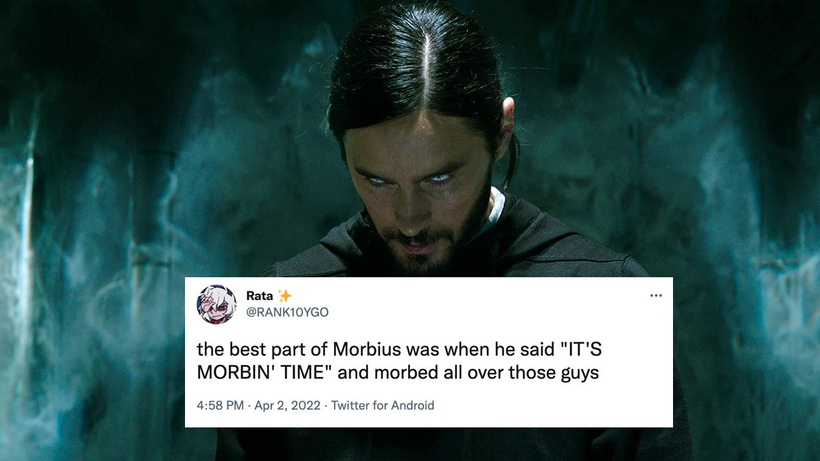
Guardians of the Galaxy showed that obscure, off the wall superhero characters can be the basis of not only great stories but successful films, something that would’ve been unthinkable in the movie industry of 20 years ago. Before the MCU, superhero movies would generally have exactly one hero, going through his (they were usually male) origin story and a clash with a single villain. It’s the Minimum Viable Superhero Movie, which I think is a good way to describe flops like Catwoman (2004) and Morbius (2022). Even after the success of Guardians of the Galaxy, new MCU heroes have tended to start with standard origin story movies, as was the case with Doctor Strange and Captain Marvel.
Superhero stories can still surprise us, but particularly with the success of the MCU, they have to work at it more than they used to. Movie studios have become particularly risk-averse though, to the point where it’s something of a relief when a film turns out to have taken some creative chances. A lot of studios instead try to take the safest route possible.
Kevin Feige has been such a success in superhero flicks going all the way back to the 2000 X-Men movie because he’s passionate about bringing the comics to life, something that prior attempts often lacked. When the MCU was new, that inherently gave moviegoers surprises, because it was adapting things that hadn’t really been part of the vocabulary of film before. Now we’re used to movies with guys in costumes (mostly with the same kind of texture) using cool powers (or gadgets) to fight over MacGuffins and whatnot. Even the wonderfully psychedelic weirdness of Jack Kirby has been in about half a dozen movies.
Part of how the MCU was able to surprise us was simply by blending in different genres. Thor is partly a Shakespearean family drama in Asgard, Captain America: The Winter Soldier is part spy thriller, Ant-Man is part heist comedy, and so on. Superhero comics are broad enough that people with very different tastes can potentially find titles to enjoy within the same overall universes. Their newer movies are often just superhero films, and we already have more of those than we know what to do with. On the other hand, sometimes a genre just needs to contract a bit for its own good. Westerns never went away, but their fall from dominance means that more of the western films that do come out have real passion behind them. Instead of wading through trashy spaghetti westerns, fans of the genre get occasional gems like Unforgiven (1992) and True Grit (2010). Of course, superhero blockbusters now essentially come from two conglomerates,[1] whereas countless competing studios were making westerns, giving the genre a greater ability to experiment and evolve.
Part of Marvel’s strategy with the MCU has been to bring on directors who can help make the subject matter pop. Ryan Coogler got to direct Black Panther in part because he had such success with Creed, Taika Waititi’s supernatural comedies made him a good fit for Thor: Ragnarok, and thanks to Shaun of the Dead, Edgar Wright was the original pick to direct Ant-Man before creative differences led him to leave the project. (Peyton Reed picked up the project on the strength of his own comedic directorial career, but the team made sure to give Wright due credit for his contributions.) It’s common for executives to meddle in productions, but as international mass-market blockbusters feeding into one of the most successful franchises of all time, MCU movies are inherently set up for even more of that than usual. Not wanting to kill the goose that laid the golden egg, Disney at least has been content to let Feige do what he’s been doing, but other elements within Marvel did plenty of meddling.
While I’m not pro-spoiler, I don’t view spoilers as being utterly radioactive the way many people do. To me, the real test of a movie is how it holds up to multiple viewings. If a movie can truly be ruined by spoilers, if knowing the ending makes it completely stop being worth watching, to me that’s an indication that it’s not a very good movie. Mysteries and surprises can enhance a first-time viewing, but I consider a great movie to be one that stands up after that. One of the reasons I’m not big on the works of J.J. Abrams is that it feels like he makes movies that are good to watch exactly one time. Once his “mystery box” opens,[2] there’s just not that much there. Superhero movies are much more spectacle than mystery, but they vary drastically in terms of their rewatchability.
The MCU is an important part of the history of movies of the past couple decades, and they’re part of some very specific moments in time. But how do they hold up? A few times when an Avengers movie came out, theaters had marathons of each MCU movie leading up to the new release. I think even Kevin Feige would admit that spending that long watching their movies is a bit masochistic. When Avengers: Age of Ultron came out the marathon was 28 hours, while for Avengers: Endgame it was three days. Journalists who wrote about their experiences trying to attend such marathons reported just losing their minds. As Alex McLevy put it in an article for A.V. Club, “We are not sane people. We are Marvel people.” When Charles Holmes tried to watch the three-day MCU marathon for a Rolling Stone article, he went through multiple existential crises and had nightmares set in the Alamo Drafthouse. Such writers found some enjoyment, but apparently the MCU becomes mentally damaging if you expose yourself to too much of it at once.
Those stories are amusing (and worrisome), but not a good way to gauge the replay value of the movies. For my part, I eventually got to where I’d seen Thor: Ragnarok a few times too many to keep enjoying it, but that took a while. With a lot of the more recent MCU movies, I’d like them okay in the theater and then barely be able to keep my eyes open when trying to watch a second time on Disney+. In hindsight there are a lot of MCU movies where the third acts lapse into protracted fights against one or more CGI enemies, which was probably the worst thing that the original Iron Man established as a baseline. Few of them bring up weird moral qualms like Wonder Woman 1984 (where Diana’s wish for Chris Pine’s character to return causes him to inhabit the body of some random guy), but “Marvel dialogue” has become a pejorative shorthand for the quippy style that Robert Downey Jr. established and Joss Whedon took to extremes. I still turn out for new superhero movies, but it’s only gotten harder to fault people who find them silly or annoying.
It's hard to know where exactly the genre is headed overall. A lot of people use the word “comics” when they mean “American superhero comics,” but superhero comics represent maybe 15% of the overall American market, and an even smaller slice of sales worldwide. Marvel and DC still publish good comics, but at this point their publication model with relentless reboots, crossovers, and meta-events feels like a form of self-sabotage, a relic of the collector-centric era of the 1990s. The sheer accessibility of manga and the way it neatly dovetails into anime[3] go a long way to explain why it so quickly came to represent nearly half of American comics sales. I’m still annoyed at Kevin Feige for just sort of stealing the “Earth-616” moniker from the main Marvel comics continuity, but the MCU is such a big deal that the comics are essentially just a bank of IP for the movies to draw from.
[1] Like the comics, superhero movies not from Marvel or DC are the exception to the rule. There are some, like The Old Guard (2020), Fast Color (2018), and Bloodshot (2020), but they’re relatively obscure and haven’t led to franchises.
[2] J.J. Abrams said that the idea came from buying a mystery box from a stage magic shop, which he decided never to open. People in the stage magic business pointed out that those mystery boxes are how shops get rid of junk that isn’t selling.
[3] More than once I’ve enjoyed an anime so much that I didn’t want to wait for a new season, and when that happens, I can usually just pick up where it left off in the original manga or light novels. If the MCU whets your appetite for more of e.g. Ms. Marvel, the comics are a very different continuity (she’s an Inhuman with stretchy shapeshifting powers), and Kamala’s adventures are spread out across several titles.