What’s Your Prophetsona?

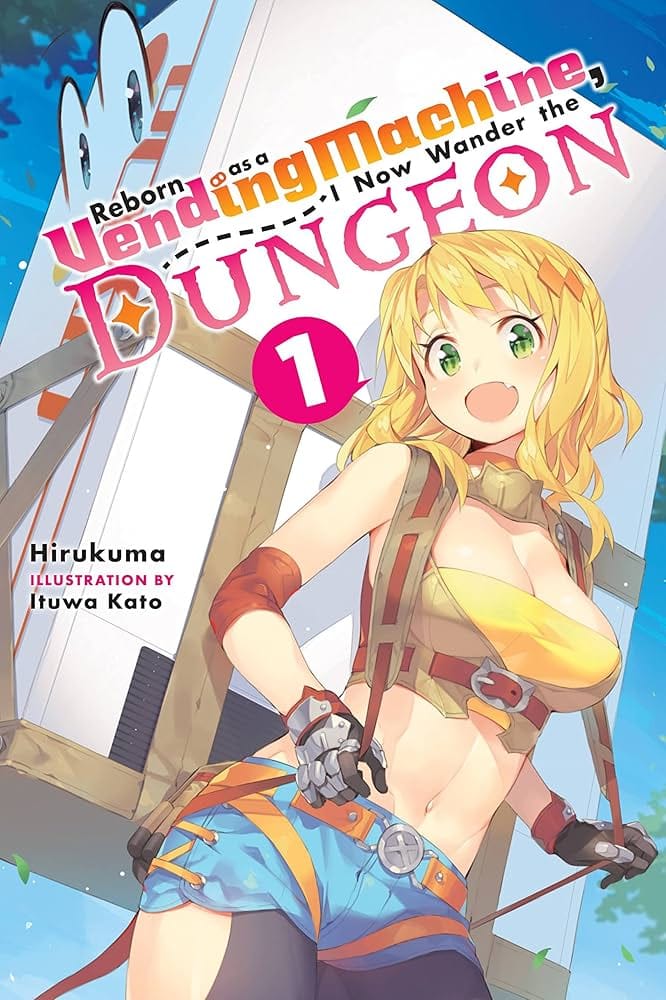
Mother’s Basement, a YouTube channel that does content about anime, posited that the way to see if an isekai anime is worth watching is to see if the protagonist being from Earth actually matters within the first episode. That isn’t an ironclad rule, but when the whole premise is a person from our world winding up in a fantasy world, you should have a good reason for it not being important right off the bat. One of the things I love about manga in general is how creators can bring their obsessions and expertise alive on the page, giving us titles about things like go (Hikaru no Go), drift racing (Initial D), or baking bread (Yakitate!! Japan). The overwhelming volume of isekai stories likewise gives us stories that draw on creators’ interests in classic Sega video games (Uncle From Another World), vending machines (Reborn As A Vending Machine, I Now Wander The Dungeon), modern Japanese literature (No Longer Allowed in Another World), and effective business relations (Headhunted to Another World: From Salaryman to Big Four). The Western LitRPG genre can also transport authors’ interests to vivid, otherworldly places, and we can see authors bringing their unique passions into the genre in titles like Demon World Boba Shop and Heretical Fishing. To me, “What is the protagonist bringing to this other world?” is one of the most interesting questions an isekai story can address, and putting your own passions into the story is a great way to give it more depth and uniqueness.
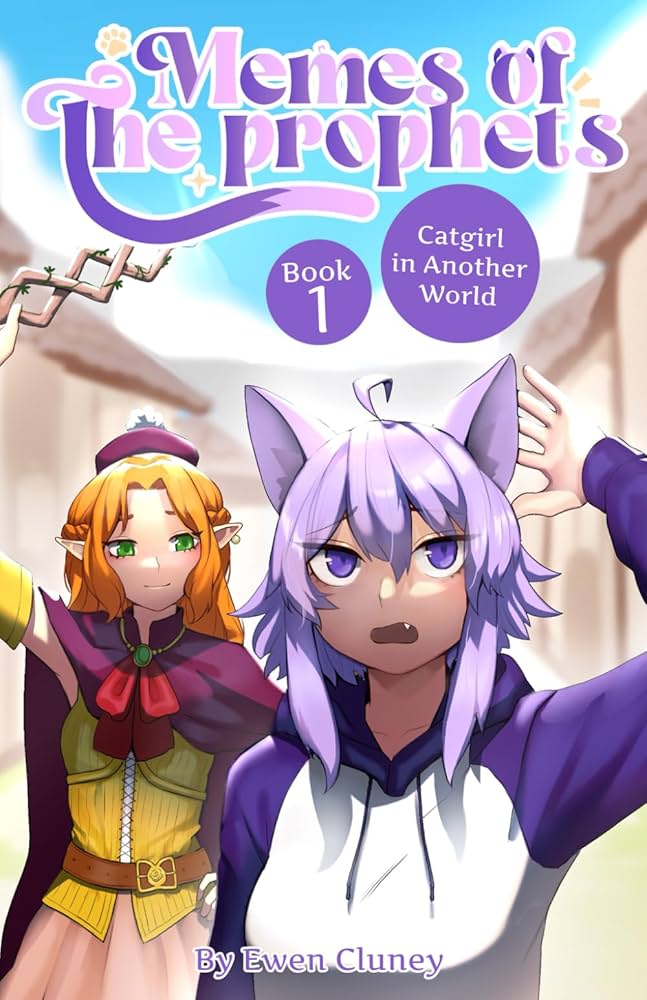
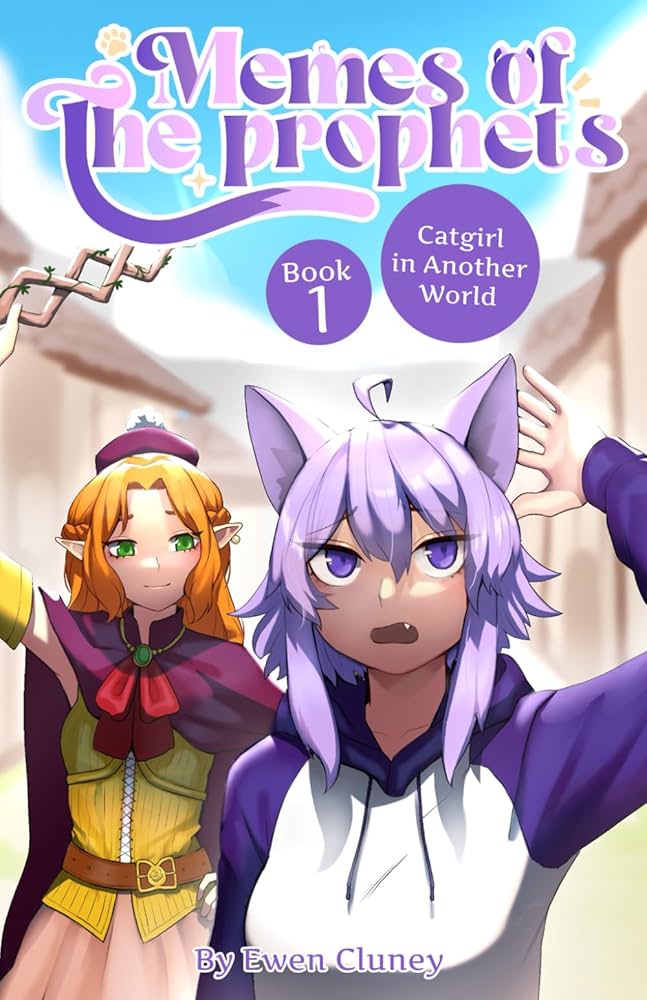
In Memes of the Prophets I’m trying to do something meta by creating a world that’s had centuries of a major religion having their god send them Earth people with the specific aim of spreading new ideas. The first book has a list of Valrune’s Prophets in an appendix, which are a mixture of restatements/parodies of existing isekai titles (like Vendo the Vending Machine and Tabitha the Immortal Slime-Slayer) and new ones I thought would be interesting (Lucas the MMA Guy and Duffy the Talking Cat?!?). There were a couple that died almost immediately, including one who appeared as a fish, which is why the summoning ceremonies now feature a guy holding a big bowl of water just in case. Others have left enduring marks on the world, like the Prophet Vijay, who taught them about medicine, or the Prophet Richard, whose disagreement with the king over democracy led him to leave and found the tiny technological nation of New Ohio. The title “Memes of the Prophets” is a bit silly, but it’s genuinely what the story is about. Whether it’s bringing cargo pants into a fantasy world, founding a band of chuunibyou weirdos obsessed with magical swords, or sparking a massive war, the Prophets have changed the kingdom and its culture beyond recognition.
Another thing I like about isekai is that it invites you to imagine what it would be like for you to get isekai’d yourself. My friend Steven Savage—who kindly did pre-reading for my books—came up with the idea of people creating their own “Prophetsonas,” and mused about what might happen if he was thrust into another world and tried to teach them things from his work as a program manager. Erica, the protagonist of Memes of the Prophets, isn’t 100% a self-insert, but I put enough of myself into the character that I more or less have the answer for myself. Even so, I really want to see how other people see themselves as Prophets of Valrune. Where some authors hold fanfic and similarly creative forms of fandom in contempt, my extensive TTRPG experience put me in the habit of creating sandboxes. While the events of the MotP novels are going to encompass some of the most important events to ever happen in the setting, it’s wide-open for playing around in. As the story unfolds there have been 67 Prophets (plus a few Earth people who arrived by other means), and there will be more after it ends.
If you want to create your own Prophetsona, there are a few simple ingredients:
- Since this version of you died on Earth—probably a Truck-kun thing, we’re not reinventing the wheel—you’ll need a new body. Valrune hands you off to his divine attendant Harmonia, who is a bit flippant and rushed. She could just recreate your old body, but she can also turn you into just about anything. As Erica learned, she can look into your mind and may jump to conclusions.
- Since you come from an Earth in the Veil—a region of the multiverse where magic is impossible and mana is absent—shortly after arriving your body briefly glows from mana rushing in, causing you to gain what Valrunists call a “Gift,” some kind of special power. Erica gained the powers of a Recaller, which lets her summon inanimate objects to herself. Your Gift could be just about anything. Check out lists of superpowers if you need ideas.
- Now you’re in another world, specifically in the Grand Cathedral in New Serenity, the beautiful capital city of the kingdom of Eitania. The church has assigned a scribe to follow you around and chronicle your exploits, and wherever you go, people want to hear whatever Earth knowledge you’re willing to dispense. It’s a strange, heady experience, having so many people hanging on your every word. What do you try to teach them about, and how do you think it’ll be received?
- Or do you decide to do something else? There’s a whole world out there, and strictly speaking the church has no authority to hold you. There’s always more work for adventurers, a guild might be happy to have you, and some noble houses take pride in getting Prophets to marry into the family. You could have a very easy life, but it may cost you.
- Each Prophet eventually gets a sobriquet, a nickname that people will use as a shorthand to refer to you for future generations. Sometimes it’s just a statement of what they are (Dave, the Actual Dragon), but it can also be their profession (Vijay, the Doctor) or their most famous activity (Will, the Harem Attempter).
This is of course a Memes of the Prophets formation of the exercise, but you could as easily adapt it to being a “Chosen Hero” (Cautious Hero, Tsukimichi), or just someone trying to survive in another world (KonoSuba, ReZero). Dungeon Crawler Carl had 13 million people enter the dungeon, and while more of their stories had bad ends than not, it’s a setting that’s wide open for other characters.
For me, the point is that it asks the question, “Who are you really?” When you’re sent on a one-way trip to another world, removed from everyone you knew and all your worldly possessions (“You can’t take it with you,” as they say), you start with your (new?) body and the contents of your head as your only real assets. That’s an incredibly difficult thing to go through, and I wish isekai and LitRPG stories explored it more. In the stereotypical isekai light novel, the protagonist is glad to leave Earth behind, since this slender Japanese teenage boy with short black hair has nothing better to look forward to than the next big video game release. One of my favorite scenes in The Wandering Inn so far is when Erin throws a Christmas party. For the most part it’s pure comedy as the other characters try to comprehend this celebration the weird innkeeper girl is so insistent about, but she breaks down in tears because the reminder of Earth, of the home she was ripped away from, really gets to her. In Memes of the Prophets, I don’t wallow in it, but that sense of loss is an undercurrent in Erica’s character throughout. Not every story needs to be emotionally realistic or deep, but this feels like an under-utilized approach in the genre.